Oral Health Care Tips From a Family Dentist

A strong relationship with a family dentist gives households a trusted partner in oral health. With regular visits, clear guidance, and practical tips, families learn how to protect their smiles through each stage of life. For instance, daily brushing and flossing, thoughtful food choices, and consistent professional care work together to reduce the risk of oral health problems. Over time, these habits support not only brighter teeth but also empower every family member to smile, speak, and eat with confidence.
How to build strong oral health care habits: Basics and tips
The foundation of good oral health begins at home for patients of all ages. To start, brush twice daily with a soft toothbrush and fluoride toothpaste to remove plaque before it hardens into tartar. Make sure to use gentle, small circular motions along the gums to clean effectively without damaging the gums. Flossing even once a day reaches areas between teeth that the brush simply cannot clean. Similarly, rinsing with mouthwash once daily can provide an extra layer of protection against bacteria.
General and family dentists encourage patients to view brushing and flossing as non-negotiable parts of the day, similar to eating or getting dressed. Mouthwash is optional but can be beneficial in combating gum disease and tooth decay. Finally, for children and adults, consistent technique matters as much as frequency. Rushing through brushing or skipping difficult areas in the back of the mouth only leaves plaque behind. A simple timer or soft background music can help children brush for the recommended two minutes. Meanwhile, adults can benefit from a brief mental checklist to ensure that every surface receives attention.
Protecting children’s smiles
Children rely on adults to guide their oral health habits. Even though primary teeth eventually fall out, they hold space for permanent teeth and support clear speech and comfortable chewing. A family dentist pays close attention to how these early teeth erupt and wear over time. They aim to detect any crowding, tongue habits, or teeth grinding early, then address them before they become bigger problems.
Parents can support their children’s healthy dental habits by supervising brushing and flossing until children show reliable skills. For most, this happens around age 7 or 8. General and family dentists may recommend dental sealants to provide additional protection in the meantime. They may also discuss at-home nutrition tips, such as:
- Limiting frequent snacking, especially on sticky or sugary foods
- Prioritizing drinking water between and after meals to rinse the mouth
- Saving sweets or acidic beverages (like juice) for planned times
These tips are important because what enters the mouth throughout the day influences oral health as much as brushing and flossing. A family dentist can discuss how a patient’s dietary choices may be impacting their smile during an appointment.
Why visit the family dentist regularly?
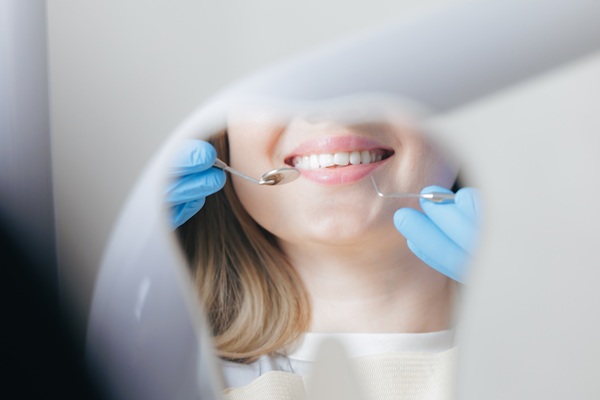
Even excellent home care cannot replace professional dental exams and cleanings. These visits allow a general or family dentist to detect early signs of tooth decay, gum disease, or bite problems long before they cause pain. The cleaning portion of the appointment also makes for a beautiful, bright smile for children, adults, and seniors. Better yet, most patients only need to visit the dentist every six months to experience these benefits.
Partner with a family dentist
A family dentist offers simple, practical guidance to keep every smile healthy. When each member of the household understands basic oral care, small actions add up to fewer problems, more comfort, and greater confidence. To learn more or book an appointment, reach out to our team today.
Request an appointment here: https://memphisfamilydental.com or call Dental Partners Brookhaven at (901) 562-0510 for an appointment in our Memphis office.
Check out what others are saying about our dental services on Yelp: Family Dentist in Memphis, TN.
Related Posts
Seeing a family dentist for a cavity treatment can target the problem teeth right away before they worsen. Many solutions are available. Discussing the process can help you make informed decisions. Here are the details on how your family dentist treats cavities.An individual cannot treat a cavity at home. The only way to get relief…
A broken tooth can happen at any time — during sports, while eating, or from an unexpected fall. Regardless of the cause, an emergency dentist can help. Through prompt treatment, these dental providers offer an effective way to relieve pain and protect oral health. An emergency dentist can also help prevent complications like infection, nerve…
Wondering what an emergency dentist can do for you? Read on to learn more about this type of dental health professional. Dental emergencies can arise unexpectedly, causing significant discomfort and anxiety. An emergency dentist can help in such cases. They provide immediate care and relief by addressing urgent dental problems that cannot wait for a…
Flossing is an important component of preventive dentistry. Flossing must always accompany daily brushing. This may seem insignificant. After all, it involves running a line of floss through the thin gaps of your teeth. Even so, flossing benefits your teeth. If you want to know how valuable flossing is for preventive dentistry, here are the…