How to Care for Your Teeth After a Tooth Extraction
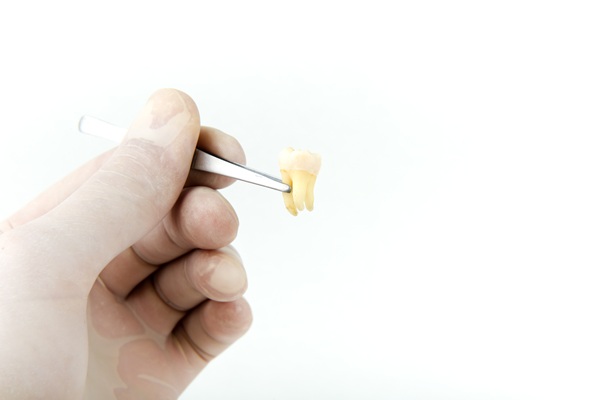
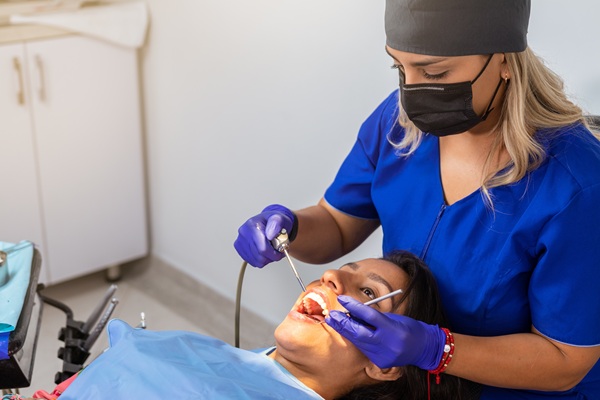
A can relieve pain, remove a badly damaged tooth, or prepare the mouth for additional dental treatment. However, proper aftercare plays an important role in protecting the extraction site and supporting total healing. Patients also need to continue caring for the surrounding teeth without disturbing the area. While the general dentist can provide specific instructions based on the location of the tooth and the complexity of the procedure, here are some general guidelines to bear in mind.
Oral hygiene after a tooth extraction
During the first day after a tooth extraction, the extraction site needs time to form a stable blood clot. This clot protects the underlying bone and tissue while healing begins. Patients should avoid brushing directly over the socket during this early stage. However, they can gently brush the other teeth to help control plaque and food debris.
After the first 24 hours, the dentist may recommend gentle rinsing with warm salt water, not mouthwash. Patients should allow the liquid to move around the mouth without aggressive swishing or forceful spitting, as these actions may disturb the clot and slow the healing process. Regular brushing can gradually resume around the extraction site as tenderness decreases.
Choose foods that support healing
The mouth may feel sore for several days following the procedure, so softer foods can make eating more comfortable. Common options include:
- Yogurt
- Scrambled eggs
- Mashed vegetables
- Cooled soup
- Mashed, non-acidic fruits
- Smoothies or protein shakes
These easy-to-chew options can reduce pressure near the socket. It also helps patients to chew on the opposite side of the mouth whenever possible. The dentist may recommend slowly returning to a normal diet as comfort improves and the area begins to close.
Avoid habits that can interfere with recovery
A few temporary changes can help protect the mouth after tooth extraction:
- Avoid drinking through straws because suction can disturb the blood clot
- Avoid smoking or tobacco use while the extraction site heals
- Limit strenuous exercise during the first day or as directed
- Avoid touching the socket with the tongue, fingers, or other objects
- Take prescribed or recommended medications as directed by the dentist
These precautions give the tissues a better opportunity to heal without unnecessary irritation. Following the dentist's recommendations may also greatly reduce discomfort during the first several days.
Keep caring for the rest of the smile
Although the extraction site needs special attention, the remaining teeth still require daily brushing and flossing. Plaque can build up quickly when patients avoid oral hygiene because the mouth feels tender. Therefore, it is important to perform gentle cleaning habits to help keep bacteria under control and protect the gums and nearby teeth. Of course, follow-up care also helps the general dentist confirm that the tooth extraction site is healing as expected. Patients should contact the dental office if discomfort worsens, bleeding continues, swelling increases, or other unusual symptoms develop.
Call us for more information
Proper care after a tooth extraction helps protect the healing socket while keeping the rest of the mouth clean and healthy. Gentle oral hygiene, appropriate foods, and temporary changes to daily habits can all support recovery. Following our general dentist's aftercare instructions can also help prevent setbacks and make the transition back to normal eating and oral hygiene easier. If you have recently undergone a tooth extraction and have more specific questions regarding recovery, contact our office for more information.
Request an appointment here: https://memphisfamilydental.com or call Dental Partners Brookhaven at (901) 562-0510 for an appointment in our Memphis office.
Check out what others are saying about our dental services on Yelp: .
Related Posts
After a tooth extraction, proper aftercare is critical for healing and preventing complications. While the procedure is common, recovery depends on the guidelines you follow in the first few days. The following guide outlines essential dos and don'ts that can influence your long-term recovery after a tooth extraction.Adequate rest supports the body's healing process. Physical…
Tooth extraction may seem like a scary or daunting procedure. However, it is relatively safe and common, with a few potential complications. This guide will walk you through all the major steps to help put your mind at ease and make you more comfortable about any upcoming procedures.First, the dentist will administer an anesthetic. They…
The idea of having to get a tooth extraction may spark anxiety in patients, however, they are often necessary in order to restore good oral health. While the extraction itself can cause discomfort, the part that patients should get familiar with is the healing process. After the procedure is complete, the wound will have to…
A broken tooth can happen at any time — during sports, while eating, or from an unexpected fall. Regardless of the cause, an emergency dentist can help. Through prompt treatment, these dental providers offer an effective way to relieve pain and protect oral health. An emergency dentist can also help prevent complications like infection, nerve…